Blog
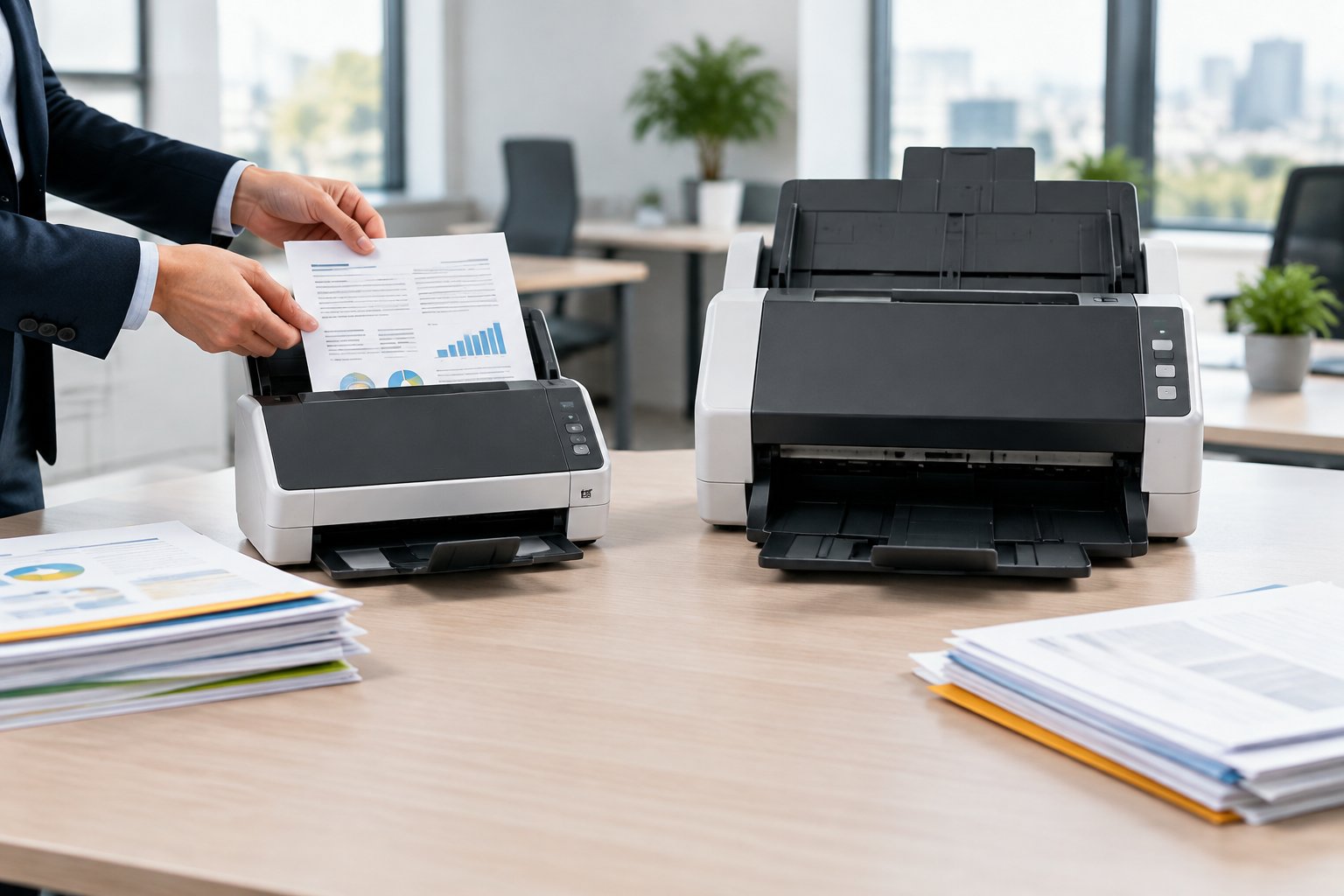
Fujitsu Document Scanners for Business: Which Fits Your Paperwork?
Get those three right and the model list gets short quickly.




Get those three right and the model list gets short quickly.
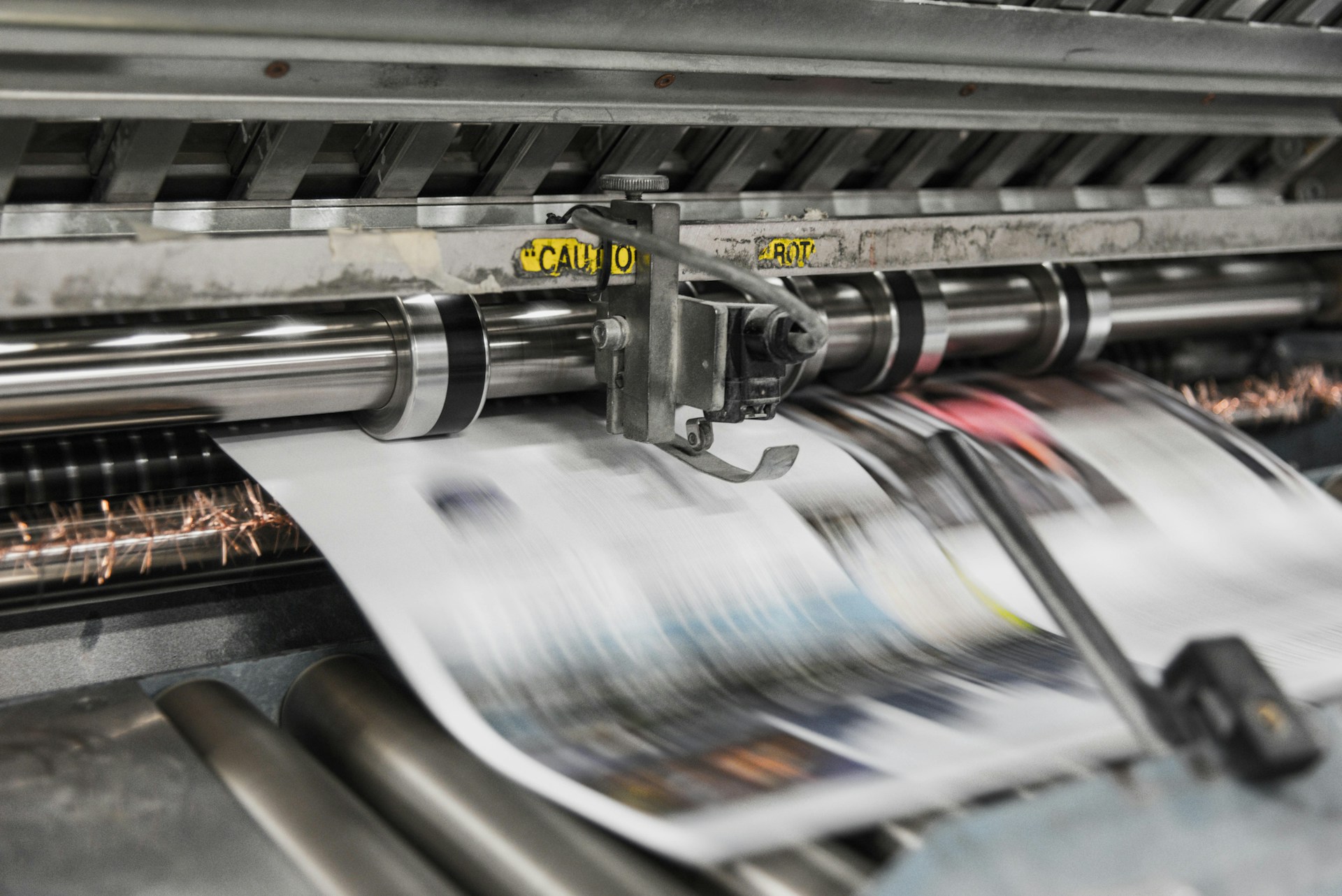
Below are five warning signs, each paired with a fix you can size to your own print volume.
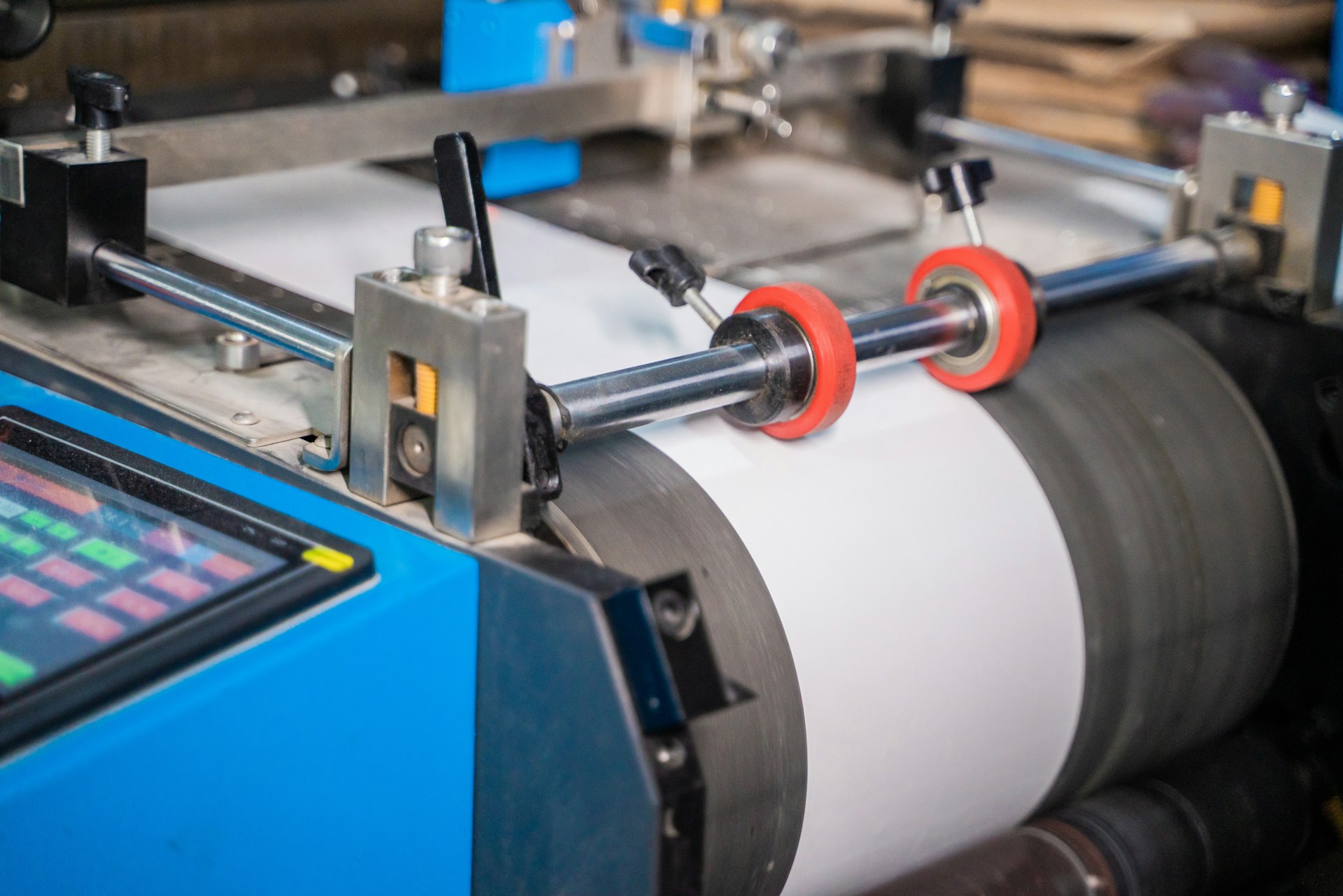
Whoever you talk to, a good provider should start by looking at how your team prints today, before suggesting any change.
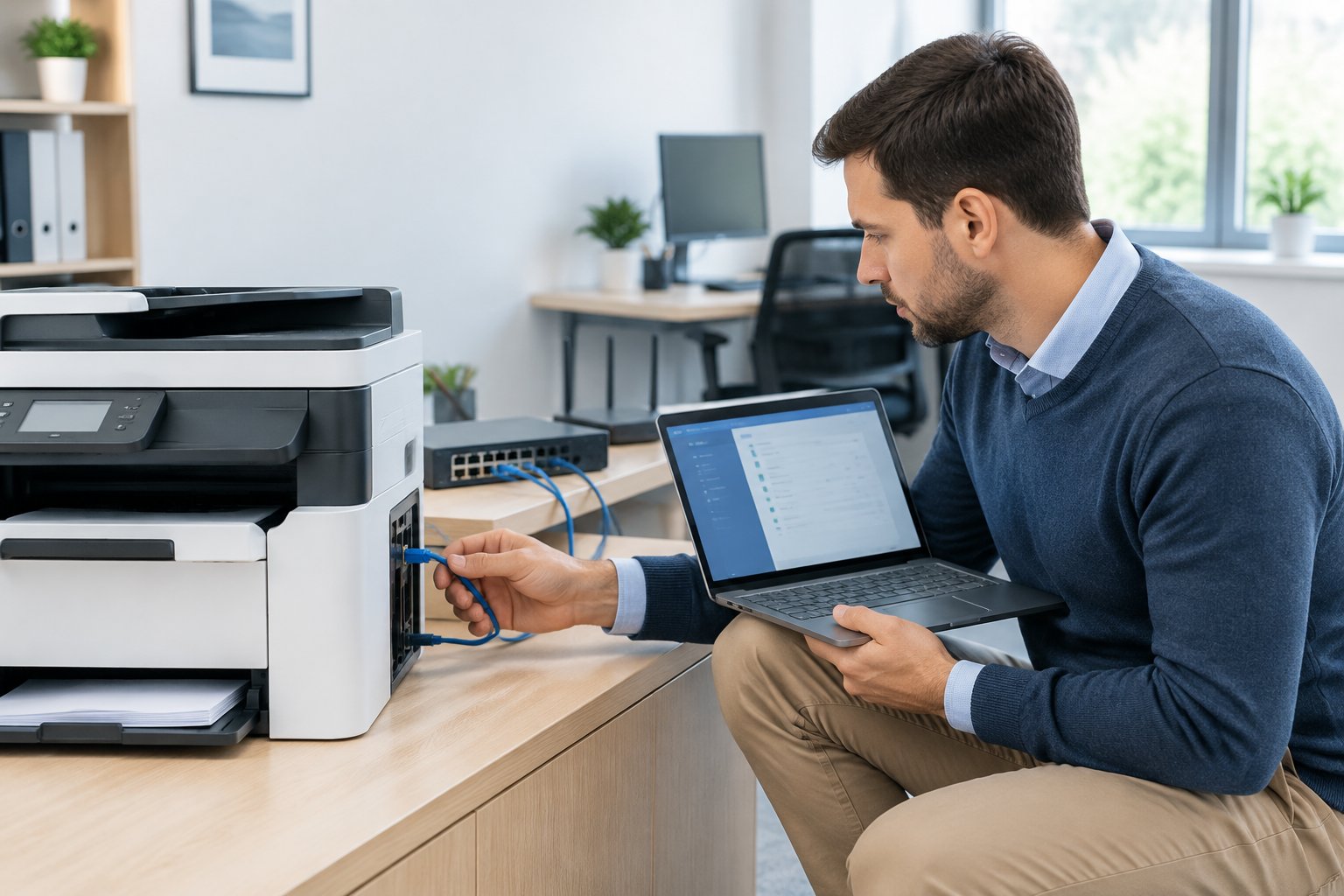
Work through the six checks from the cable to the everyday staff test, and you can find the problem without guessing.
The sections below take those four in order, so you finish with a short list of questions to ask any provider before you sign.
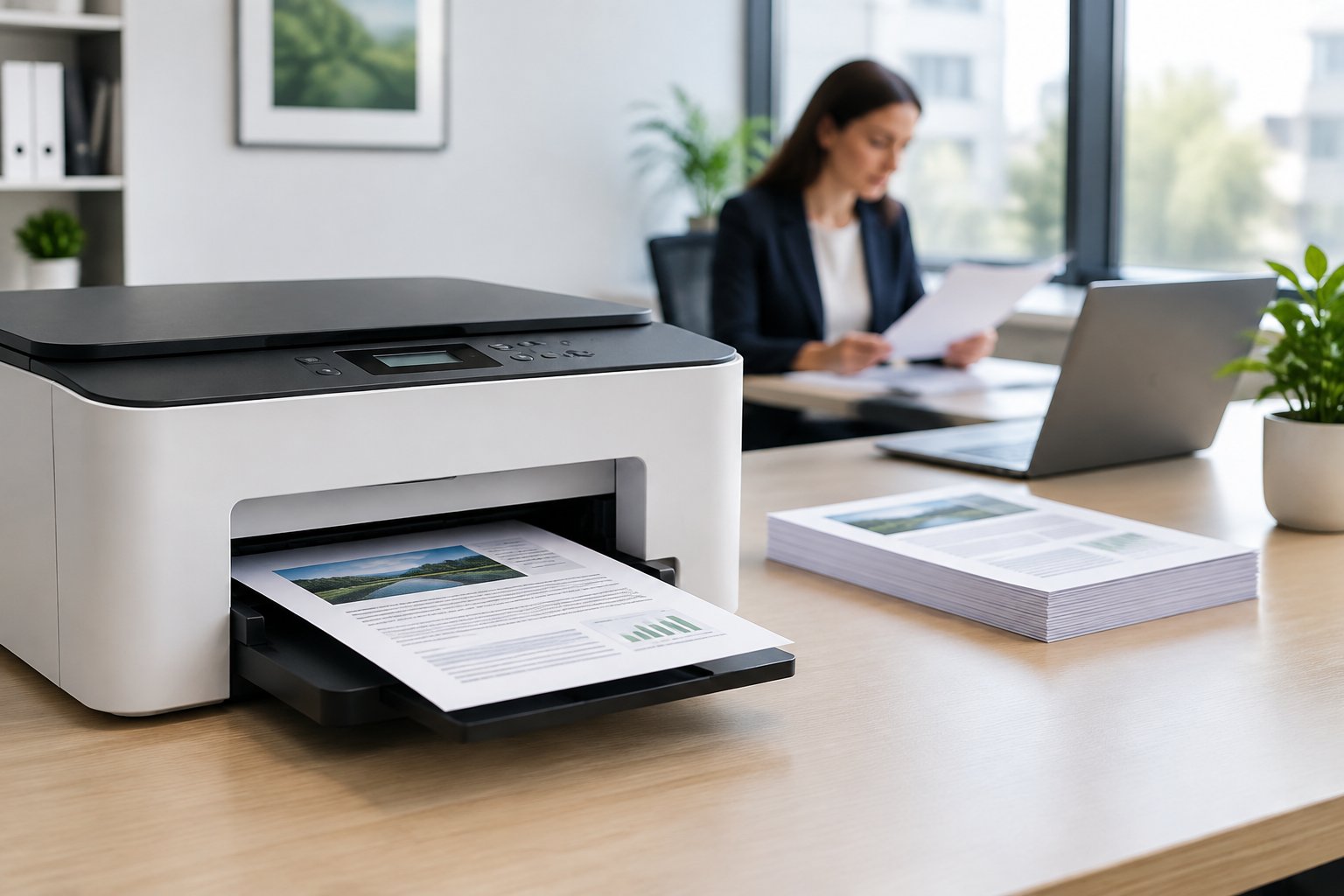
It takes a few clicks on most modern office machines, and it changes how much paper you buy, store, and throw away.
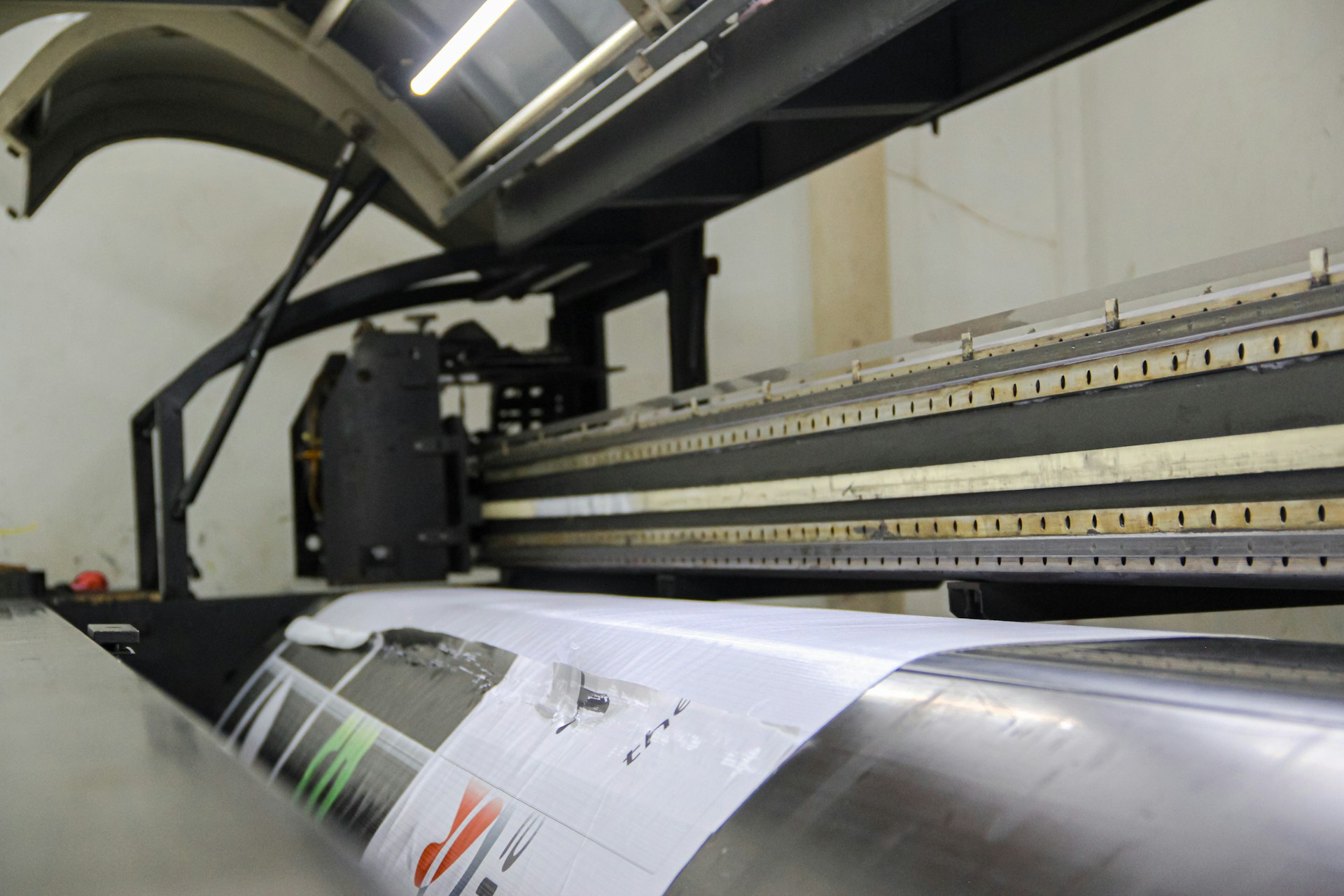
There is no single right plotter for every office. A design studio printing 24-by-36 permit sets, a contractor handing sheets to field crews, and a civil firm printing large site plans need different machines.
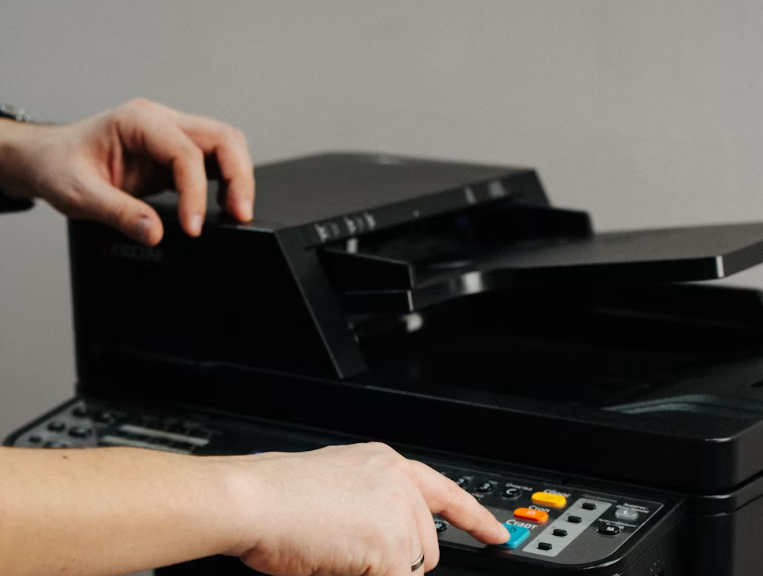
Keep reading to learn how the meter and cost per page work, what a metered agreement usually covers, how metered stacks up against flat-rate and pay-per-click plans, and when this billing model saves an office money instead of costing it. These are the same questions a local advisor walks a business owner through before signing anything.
Keep reading to learn the exact dimensions of the sizes you use most, which format fits which job, how A4 and letter differ, and what larger sizes exist for drawings and displays. You will also learn how to match your paper needs to your equipment. Plain answers, no guesswork.

Keep reading to learn how to size a network to your real device count, decide between wired and wireless, pick the core hardware that carries the load, lock down access without slowing people down, and know when a local IT partner saves you money. It is the same walkthrough a local technician does before wiring an office, boiled down to plain steps.
